South Africans don’t need Halloween to find something frightening. A petrol bill or a trip to the supermarket can do that perfectly well. Yet every October, people willingly spend money on fake blood, plastic skeletons, costumes and experiences designed to scare them.
And the business of being frightened is surprisingly lucrative.
In the United States, the National Retail Federation estimated on 22 September 2026 that consumers would spend approximately US$13.5 billion on Halloween this year. That’s a staggering amount of money for a celebration built around sweets, costumes and things that go bump in the night.
South Africa’s Halloween market is considerably smaller, and there isn’t a reliable national figure showing exactly how much we spend on it. But the celebration has become increasingly visible locally, with haunted attractions, costume parties, themed markets and entertainment events appearing across the country.
Behind the fake cobwebs is an interesting economic story about how businesses turn a few days on the calendar into weeks of consumer spending.
South Africa is getting into the spirit
Halloween has traditionally been associated with the United States, where neighbourhood trick-or-treating and elaborate decorations are part of the culture. In South Africa, the celebration has developed its own character, with a stronger focus on organised events, themed entertainment and parties.
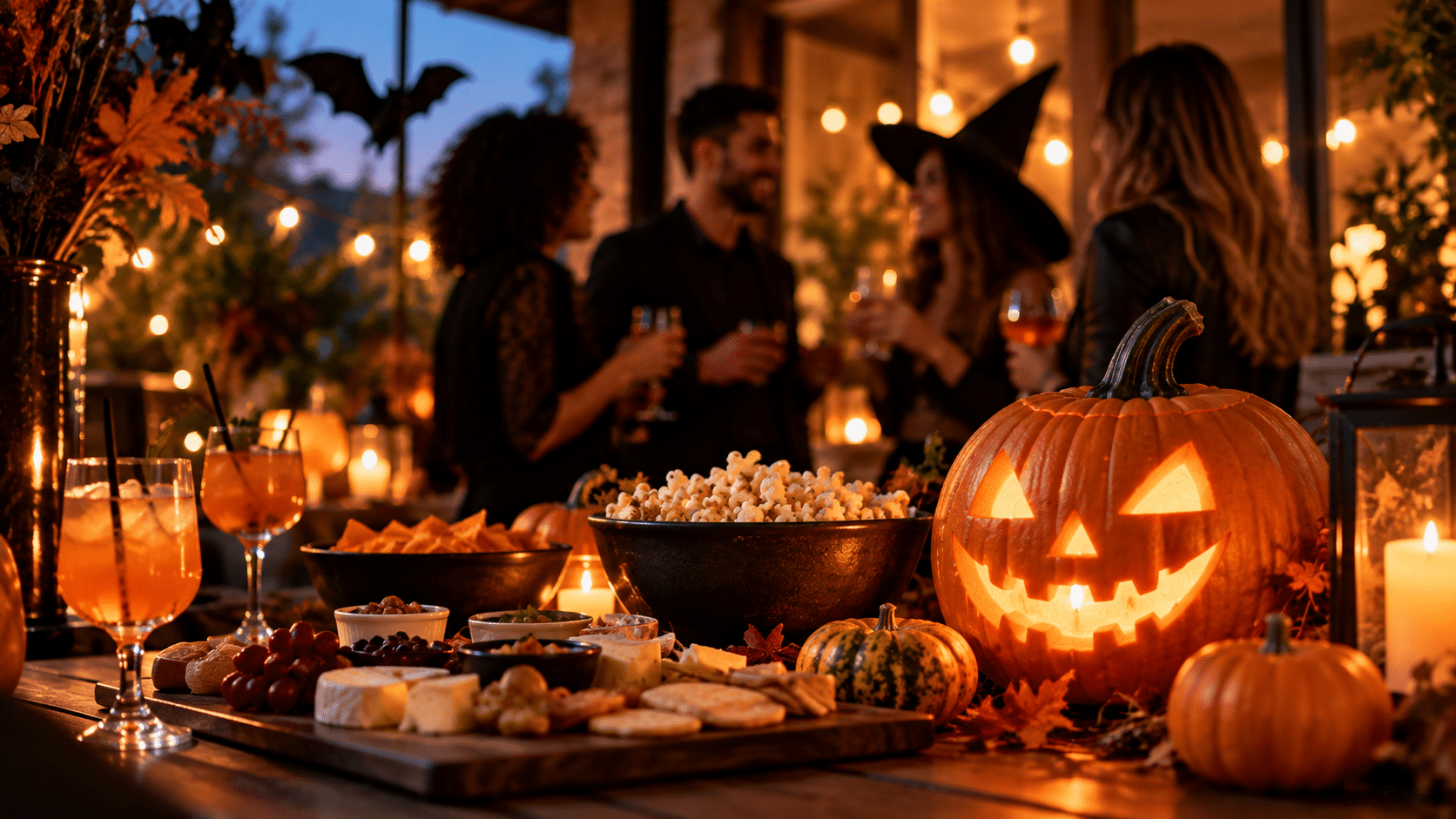
For 31 October 2026, Johannesburg’s Haunted Forest at Prison Break Market is marking its tenth anniversary, while Johannesburg Zoo is hosting a Halloween experience featuring themed attractions and family entertainment. Pretoria, Gqeberha and Bloemfontein also have Halloween events scheduled. Cape Town has its own established horror culture. The South African Horrorfest, now in its 22nd year, runs from 29 October to 8 November 2026 at the Labia Theatre, with an additional streaming programme.
Each event creates spending that reaches well beyond the price of admission. Visitors may buy costumes, arrange transport, eat at restaurants, purchase refreshments or spend money at nearby businesses. The economic footprint of a Halloween event can therefore extend across hospitality, retail, entertainment and transport, even if the celebration itself lasts only a few hours.
A scary amount of money
The scale of Halloween spending in the United States gives some idea of how commercially important seasonal celebrations can become. According to the National Retail Federation’s September 2026 survey, American consumers are expected to spend approximately US$4.4 billion on costumes, US$4.3 billion on decorations and US$4.1 billion on sweets during the Halloween season. The survey also found that consumers expected to spend an average of US$115.14 per person.
That spending is spread across businesses of very different sizes, from major retailers and online platforms to independent costume shops, sweet manufacturers and local entertainment venues. And it happens within a remarkably short period.
For retailers, Halloween creates a concentrated burst of demand that has to be anticipated months in advance. Costumes, decorations and themed products need to arrive before the celebrations begin, which means purchasing and inventory decisions are often made long before customers start shopping.
The calendar has become an economic force
South Africa has its own evidence of how strongly events influence consumer spending. In April 2026, Discovery Bank and Visa released their SpendTrend26 research, which examined billions of transactions and consumer-spending patterns across South Africa.
One of the findings was that spending rises around occasions people plan for, including celebrations, long weekends, major sporting events and shopping promotions. Across these occasions, daily spending was 13.6% higher on average than during normal periods.
The research wasn’t measuring Halloween specifically, but it tells us something useful about consumer behaviour. People often concentrate discretionary spending around moments that feel special, familiar or worth celebrating.
A birthday, rugby match, long weekend or themed event can create a reason to spend money that might otherwise remain in someone’s account. For businesses, those predictable peaks are valuable because they make it possible to plan promotions, stock and staffing around the calendar.
The real horror story is unsold stock
There is a problem with selling Halloween merchandise: it has a very short shelf life. A retailer can sell a packet of ordinary sweets in November or December without much difficulty. A plastic skeleton or Halloween costume becomes a harder sell once 31 October has passed. That creates a classic retail challenge.
Order too little stock and popular products sell out while customers are still looking for them. Order too much and warehouses can be left holding merchandise that may need to be heavily discounted or stored until the following year. Both outcomes affect the business.
Stock shortages mean missed sales. Excess stock ties up money, takes up storage space and can reduce profit margins when retailers eventually mark prices down.
For anyone following retail companies, this is one of the more interesting aspects of seasonal trading. Strong sales during a promotional period are useful, but the profitability of those sales also depends on how well the business managed inventory, costs and discounts. The challenge is especially sharp for products with a limited selling window.
Why we keep spending on experiences
Halloween also reveals something about what consumers value. A haunted forest or horror-themed event sells an experience that lasts only a few hours. Once the evening is over, there is no physical product to take home beyond perhaps a photograph, a costume or a few leftover sweets. Yet people are prepared to pay for it.
The appeal lies partly in anticipation, entertainment and the chance to share an unusual experience with friends or family. For event organisers, the commercial opportunity comes from creating something people feel is worth leaving home for. That creates demand for venues, performers, security, catering, transport and other services that support live entertainment.
It also helps explain why themed events can become recurring businesses. A successful annual experience can build an audience that returns each year, giving organisers a recognisable brand and a seasonal source of revenue.
What Halloween tells traders about retail
For traders and market watchers, the interesting part of Halloween is how clearly it demonstrates the relationship between consumer demand and company performance.
A retailer may experience a surge in sales during a seasonal promotion, but the impact on earnings depends on several factors. Higher revenue can be offset by discounts, marketing expenses, staffing costs or unsold inventory.
Consumer behaviour matters too. People may still celebrate when household budgets are tight, but they can change how they spend. They might reuse costumes, shop at discount stores or choose smaller celebrations.
The National Retail Federation’s 2026 survey found that American shoppers were paying close attention to affordability. Nearly a third said they would compare prices if Halloween products were more expensive than expected, while 34% planned to look for items they could reuse or repurpose.
Those decisions can influence which retailers attract customers and how much profit businesses make from seasonal demand. The same principles apply to much larger shopping periods, including Black Friday and Christmas.
Halloween is only the beginning
For South African retailers, Halloween arrives just as the busiest part of the shopping calendar begins. Black Friday falls on 27 November 2026, followed by the December festive season. Retailers are preparing for promotions, increased online traffic and changing consumer demand across several categories.
A report published by World Wide Worx and Mastercard on 2 September 2026 estimated that South African online retail sales would reach approximately R159 billion in 2026, representing around 10% of national retail turnover. That growing online market adds another layer to seasonal retail planning. Businesses have to consider website traffic, delivery capacity, stock availability and promotional pricing alongside what happens in physical stores.
Halloween may be a relatively small part of South Africa’s retail calendar, but it offers a useful glimpse into the much larger challenge of matching supply with demand during periods of concentrated consumer spending.
The business behind the boos
Halloween is an unusual celebration because people willingly pay for something they would normally try to avoid: being frightened. But the commercial appeal makes sense. The event creates a deadline, gives consumers a reason to spend and brings together retailers, entertainment businesses, restaurants and service providers around a shared occasion.
For companies, the real challenge is making those few weeks count without being left with expensive mistakes when the decorations come down. And for anyone interested in markets, Halloween is a reminder that the calendar can influence consumer behaviour just as surely as prices, interest rates and economic headlines.
The costumes may be frightening, but for retailers, the real nightmare is discovering on 1 November that nobody wants the stock they still have.